Facebook
 X
X
 Pinterest
 Copy Link
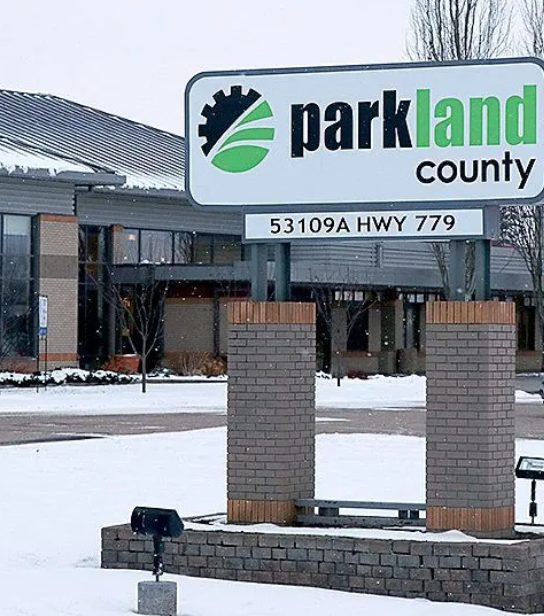
Parkland County Acreage Market Overview: February 2025
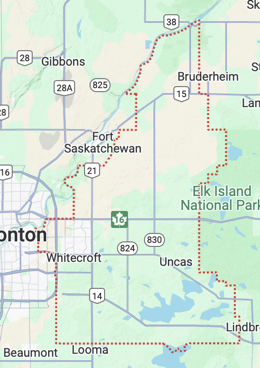
The Parkland County acreage market for 2025 is proving to be a dynamic year for this rural area just outside Edmonton. Known for its expansive properties, quiet countryside, and close proximity to the city, Parkland County is a top choice for those seeking more space, privacy, and the opportunity to embrace a rural lifestyle. As the market evolves, understanding the latest trends and statistics is key for both buyers and sellers to make informed decisions.
In this blog, we will dive deep into the market performance for February 2025, breaking down key statistics and what they mean for prospective buyers, sellers, and investors in the Parkland County acreage market.
Parkland County Acreage Market Snapshot: February 2025
Here are the core statistics for the Parkland County acreage market as of February 2025:
- Sold Properties: 37 sold, a 2.78% increase month-over-month, but a 12.50% decrease year-to-date compared to 2024.
- Average Asking Price: $663K, a 7.29% decrease from the same time in 2024.
- Average Sale Price: $819K, a 40.36% increase from February 2024.
- New Listings: 77 new listings, showing a 5.48% increase from the previous year.
- Days on Market Until Sale: 195 days, a 10.17% increase from February 2024.
- Average Ask to Sell Ratio: 0.992, reflecting a 4.45% increase from the previous year.
Each of these statistics tells a story of an evolving market with both opportunities and challenges for buyers and sellers alike. Let’s dive deeper into what each of these figures means for the market.


Below Graphs Are Interactive
Parkland County Acreage Listings
In February 2025, 77 new listings were added to the Parkland County acreage market, marking a 5.48% increase in new inventory compared to February 2024. This uptick in new listings is a positive sign for buyers, as it indicates that more acreage properties are becoming available for purchase. However, the increase in listings doesn’t always correspond to a spike in sales, as we see with the 12.50% year-to-date decrease in properties sold.
The rise in new listings may be driven by:
- Seller Confidence: Despite the longer days on market, sellers might still feel confident in listing their properties due to the overall price increase. With an influx of new buyers looking for rural homes, many owners are choosing to put their properties on the market.
- Market Saturation: There could be an increase in sellers wanting to take advantage of higher prices before market conditions change. As more properties enter the market, it’s crucial for sellers to ensure their properties stand out through competitive pricing and effective marketing.
For buyers, this increase in new listings means more options to choose from, but it also requires careful consideration of which properties align with their needs and budget.
Average List Price
The average asking price for acreage properties in Parkland County dropped to $663K in February 2025, which represents a 7.29% decrease from the previous year. This decline in the asking price might seem contradictory at first, especially given the price increase in the average sale price. However, this decrease could be indicative of several factors:
- Price Adjustments: Sellers may be adjusting their expectations in response to the longer days on market and fewer properties selling. Overpricing can result in properties lingering on the market for longer periods, so sellers may be lowering prices to make their properties more appealing to buyers.
- Price Strategy: In some cases, sellers may start their asking prices higher to account for negotiation room, only to adjust as offers come in. This tactic can create the illusion of a price drop while still allowing sellers to achieve their desired final sale price.
- Market Realignment: With fewer sales taking place, the overall pricing trend may reflect a market correction, where sellers who overvalued their properties initially are adjusting to a more balanced market, responding to the decreasing number of sales.
Parkland County Acreage Sales
In February 2025, there were 37 properties sold, marking a 2.78% increase from the same month in 2024. While this increase is modest, it reflects some positive movement in the market. However, when we look at the year-to-date data, there was a 12.50% decrease in the number of properties sold in 2025 compared to the previous year, with only 56 properties sold in the first two months of 2025 compared to 64 properties in the same period in 2024.
This slight dip in sales volume suggests that while there’s demand for acreages, buyers are perhaps becoming more selective, or it could be a result of the higher property prices. Fewer buyers may be able to afford or are willing to pay the increased asking prices, which could be a factor in the reduced sales volume. Sellers will need to ensure their properties are priced competitively to attract the right buyers in a market where fewer properties are changing hands.
December 2024 Parkland County Average Sale Price
The average sale price for acreage properties in February 2025 hit $819K, marking a significant 40.36% increase from the same month in 2024. This sharp increase suggests that the overall value of acreage properties is rising, even though fewer properties are being sold. A few contributing factors to this increase include:
- High Demand for Larger Properties: The trend towards rural living continues, particularly in the wake of the COVID-19 pandemic. Buyers are seeking more space and privacy, which has driven up the price for larger plots of land.
- Scarcity of Acreages: As the number of available acreages on the market has decreased, this limited supply drives up prices. The market remains competitive, with fewer available listings and increased buyer interest, which results in higher sale prices.
- Quality of Listings: Higher sale prices could also be a reflection of the types of properties being sold. Luxury and high-end acreages with desirable features such as larger homes, scenic views, or farmland may be skewing the sale prices higher. Buyers are likely willing to pay more for these premium properties, contributing to the overall price increase.
Even with a decrease in sales volume, the 40.36% rise in average sale price signals that the market remains robust for sellers who are pricing their properties correctly and presenting them well to potential buyers.
Ask to Sell Ratio: A Positive Trend for Sellers
The average ask to sell ratio stands at 0.992, which represents a 4.45% increase from the previous year. This ratio is a positive indicator for sellers, as it shows that properties are generally selling close to their asking price, even with longer days on market.
A high ask-to-sell ratio typically indicates that the market is favouring sellers, as buyers are willing to pay a price close to the seller’s initial asking price. This is a good sign for sellers who price their properties correctly and manage expectations effectively.
Parkland County Acreage Days on MLS®
The average days on market until a sale is completed in February 2025 is 195 days, which represents a 10.17% increase from the previous year. This means that properties are taking longer to sell, indicating that buyers may be more cautious and selective in a market where prices are rising.
Several reasons may contribute to the longer sales cycles:
- Increased Prices: Higher asking prices often result in longer wait times as buyers take longer to assess the value of the property. The rise in asking prices, paired with the longer days on market, suggests that buyers are carefully evaluating whether properties are priced fairly.
- Demand and Supply Imbalance: While there is strong demand for rural properties, the higher price tags might limit the pool of buyers, thus extending the time it takes to find a match. Sellers may need to be patient and realistic about the pricing and timing of their sale.
Sellers should be prepared for a potentially longer wait for a buyer, which emphasizes the importance of patience and setting realistic expectations for their sale.
Conclusion: Parkland County Acreages in 2025
The acreage market in Parkland County is showing signs of strength in 2025, with rising prices and increased listings, although sales volumes have decreased. While buyers may face higher prices and longer wait times, the market remains attractive for those looking for a peaceful, rural lifestyle. Sellers can still capitalize on higher sale prices, but they should expect longer selling cycles and be prepared for a more competitive market.
For both buyers and sellers, understanding the current trends and working with an experienced agent is essential to navigating the Parkland County acreage market successfully.
Data provided by the REALTORS® Association of Edmonton and subject to change. Always consult with a real estate professional for the most current market information.
If you would like more information on buying and selling in Parkland County CONTACT CHRIS REID
Parkland County Website