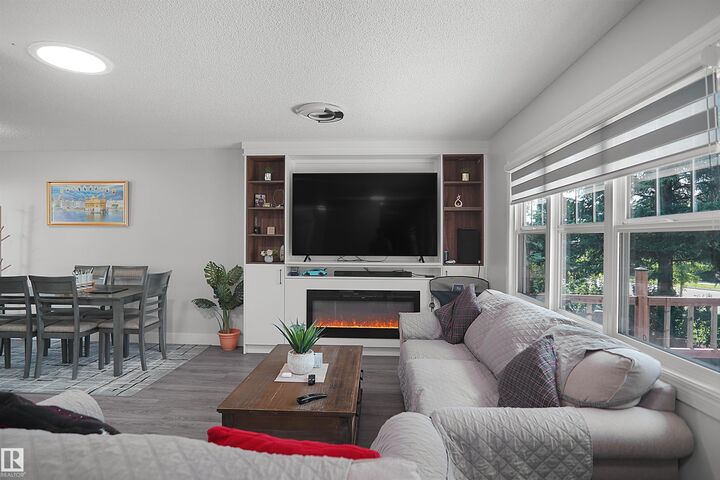
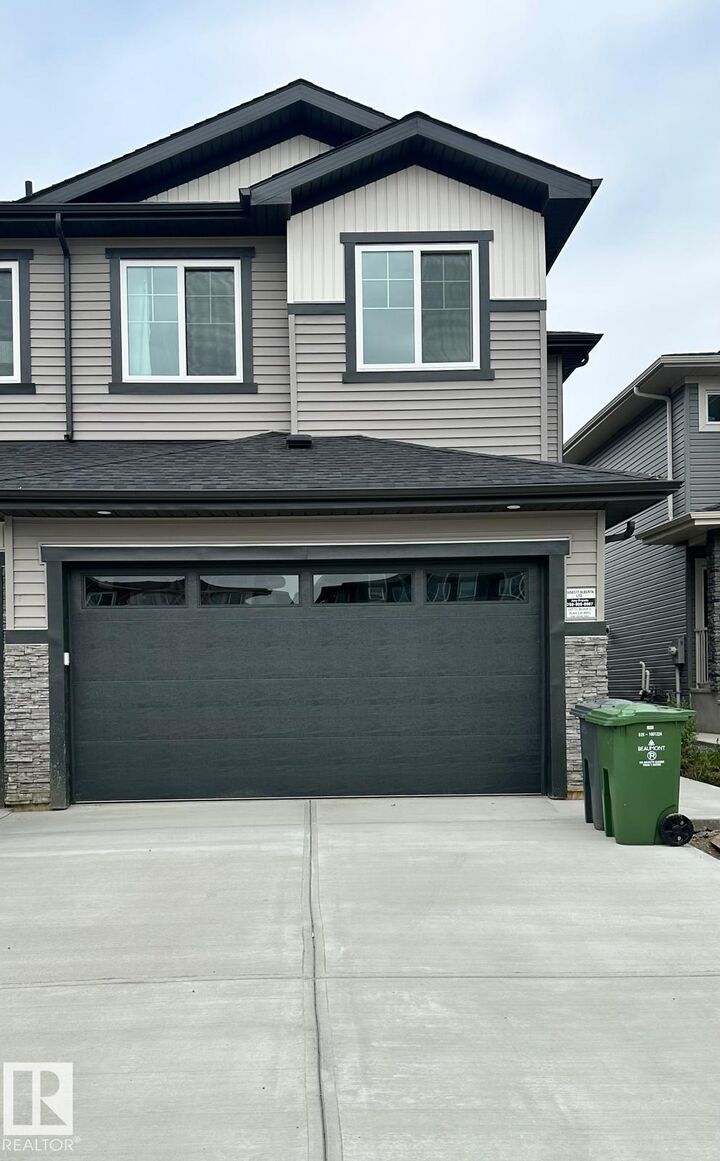
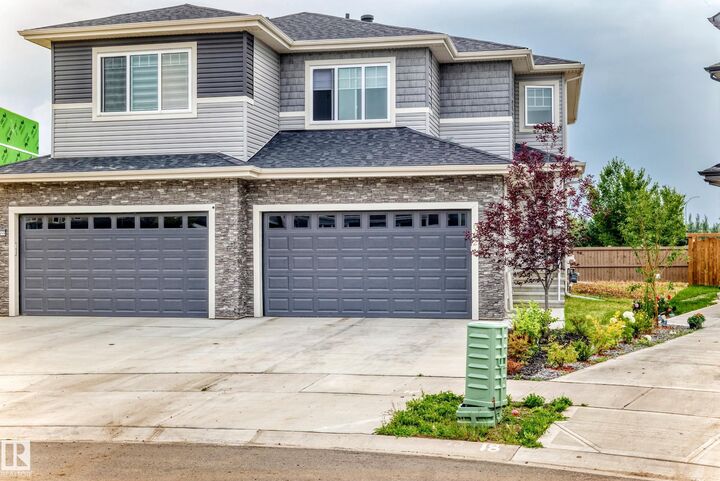
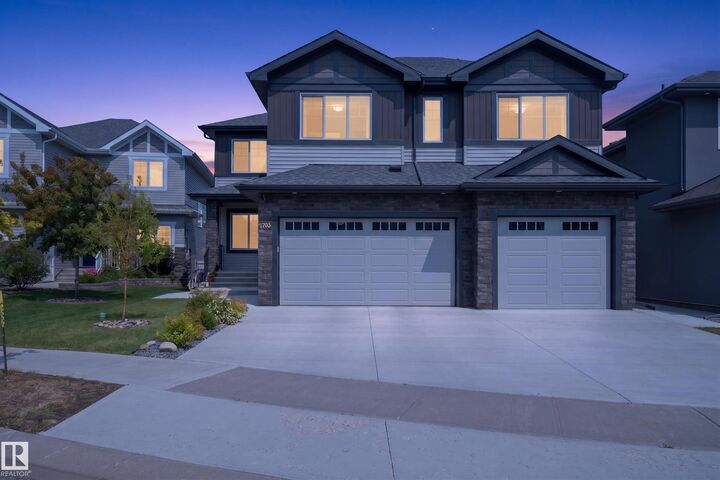
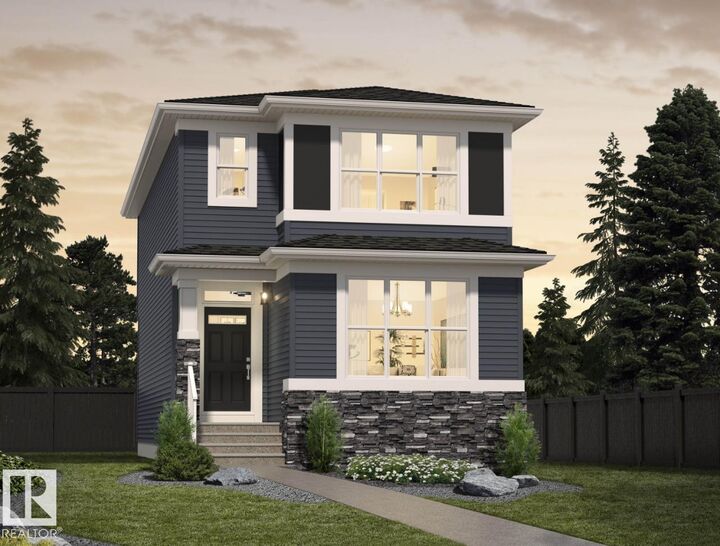
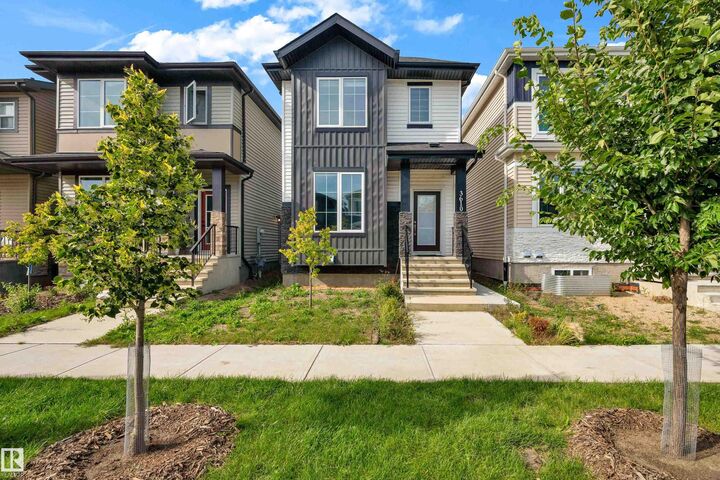
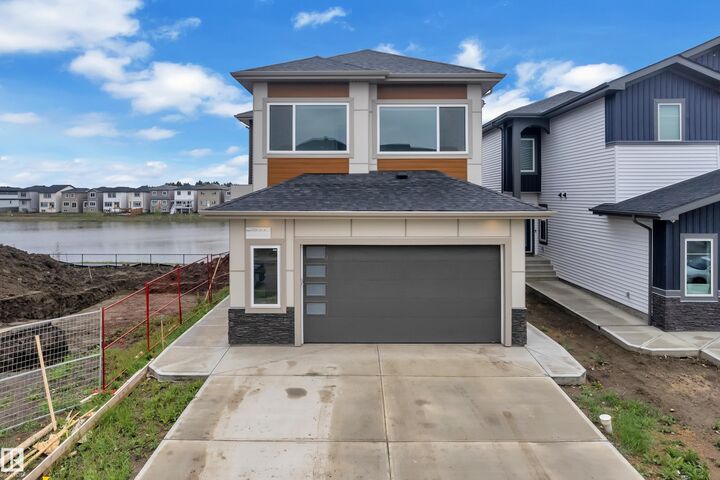
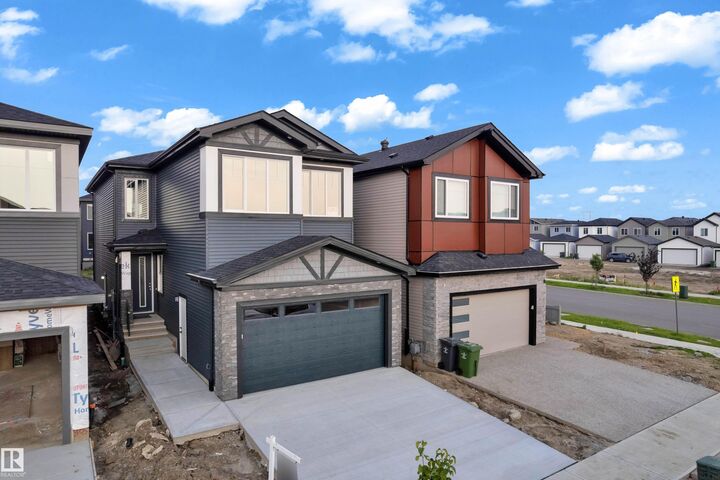
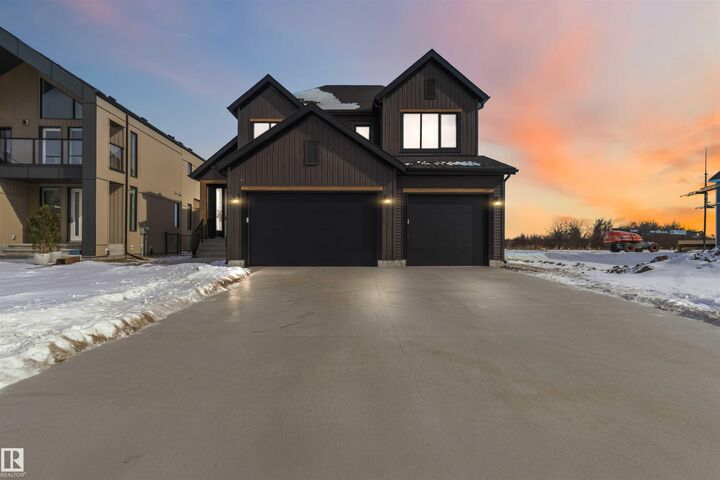
Built Green Gold & CMHC Eco Plus Rebate: A 2026 Edmonton New Construction Guide
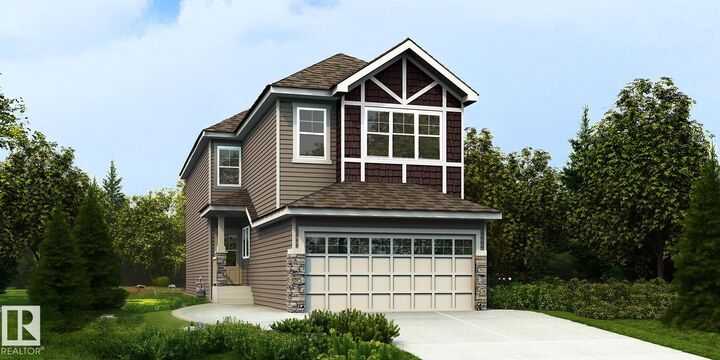
When you’re buying a brand-new home in Edmonton — whether it’s in Keswick, Kinglet Gardens, The Orchards, or any other vibrant community — understanding the rebates and incentives available to you can make a big difference in your home-buying budget.
One of the most valuable incentives for energy-efficient new homes is the CMHC Eco Plus Rebate, which offers a refund on your mortgage loan insurance premium when you purchase a newly built, energy-efficient home that qualifies under selected green certification standards — including Built Green® Gold.
This guide breaks down what the Eco Plus rebate is, how Built Green® Gold fits into it, who qualifies, and exactly how Edmonton buyers can take advantage.
Understanding the CMHC Eco Plus Rebate
The Canada Mortgage and Housing Corporation (CMHC) is Canada’s national housing agency. One of the ways CMHC helps Canadians afford homeownership — and supports national energy-efficiency goals — is through the Eco Plus Rebate (previously known as the CMHC Green Home rebate).
Here’s the core idea:
If you buy or build a new energy-efficient home and your mortgage is insured by CMHC, you may qualify for a refund of up to 25% of your CMHC mortgage loan insurance premium.
Mortgage loan insurance is typically required if your down payment is less than 20%, and it protects the lender if you can’t repay your mortgage. The Eco Plus rebate basically gives you back a portion of that insurance cost — putting real money back into your hands.
Why This Matters in Edmonton
In the Edmonton market, many new construction homes — from townhomes to detached houses — are now being marketed with energy-efficient features. Builders are increasingly focused on higher performance, not only because it’s better for homeowners — lower utility costs, better comfort — but also because it aligns with federal and provincial efficiency goals.
The Eco Plus rebate provides a financial incentive to choose these high-performance new homes — and it can mean thousands back at closing or after your purchase.
What Does “Energy-Efficient” Mean for This Rebate?
To qualify for the CMHC Eco Plus rebate, the home must be:
📌 Financed with mortgage insurance from CMHC
📌 A newly built home that has never been occupied
📌 Energy-efficient — meaning it has an official certification or meets a high energy efficiency rating
Homes that meet recognized energy-efficiency standards — like Built Green® Gold, ENERGY STAR®, R-2000, or similar programs — automatically qualify for the full 25% refund.
One such standard is Built Green® Gold certification — a widely respected program in Canada that verifies a home’s energy performance, building envelope quality, and efficiency measures. Homes built to this standard are considered “green” and energy efficient enough to qualify for the 25% premium refund under CMHC’s Eco Plus program.
Built Green® Gold: What It Means
Built Green Canada offers different certification levels for homes based on energy efficiency and sustainability measures. A Built Green® Gold home has been constructed with features that improve energy performance, insulation, and overall environmental impact compared to a standard build.
In practical terms, this means:
Better insulation and airtightness
High-efficiency windows and doors
High-efficiency heating and ventilation systems
Reduced energy consumption and utility costs
When a home is Built Green® Gold certified, it’s automatically recognized under CMHC’s Eco Plus program as eligible for the 25% rebate on the mortgage insurance premium.
How Much Can Edmonton Buyers Save?
Let’s put this into a typical Edmonton example.
Imagine you’re putting down 10% on a $500,000 newly built home built to Built Green® Gold standards:
That rebate could mean almost $3,500 back in your pocket. You could use it for closing costs, furniture, landscaping, or simply to save on your upfront expenses.
That’s money that many Edmonton buyers overlook — but it’s real savings tied to choosing a high-performance home.
Who Is Eligible?
To qualify for the Eco Plus rebate, you must:
✔ Finance your home with CMHC mortgage loan insurance
✔ Purchase or build a newly constructed home that has never been occupied
✔ Provide a certificate showing the home meets a recognized energy-efficiency standard (like Built Green® Gold) or demonstrate a strong energy efficiency rating under the EnerGuide system (NRCan)
You have a 24-month window from the date of closing to apply for the rebate, so you don’t necessarily need to claim it right at closing — but you do need to submit within that timeframe.
How to Apply – Step by Step
Here’s how you would apply for the CMHC Eco Plus rebate as an Edmonton buyer:
Confirm the Home Qualifies
Ask your builder whether the home is Built Green® Gold certified or meets an eligible energy-efficiency standard.
Obtain Documentation
You’ll need a certificate from the builder or an EnerGuide label confirming the home’s performance.
Ensure Your Mortgage Is CMHC-Insured
If your down payment is less than 20%, mortgage loan insurance through CMHC is required — which makes you eligible for the rebate.
Complete the Rebate Application
Fill out the Eco Plus rebate form on the CMHC website. You will include your mortgage insurance details and the energy certification documentation.
Submit Within 24 Months of Closing
CMHC allows up to two years after closing to file the rebate application.
Once approved, CMHC refunds up to 25% of the premium directly to you.
Beyond the Rebate: Long-Term Value
The CMHC Eco Plus rebate isn’t just a one-time refund — it’s part of a larger value equation:
📉 Lower Energy Bills Over Time
Energy-efficient homes, like those Built Green® Gold certified, tend to consume less energy, which can mean lower utility bills year after year.
📈 Higher Resale Value
Energy-efficient homes are increasingly valued by buyers who know they will save on heating, cooling, and maintenance costs.
🌿 Better Comfort & Indoor Air Quality
Built Green® homes often offer better ventilation, improved insulation, and a more comfortable year-round living environment.
So it’s not just a rebate — it’s an investment in long-term affordability and comfort.
Why Edmonton Buyers Should Care
Edmonton’s real estate market has changed dramatically in recent years. With rising construction costs and interest rates remaining an important factor, buyers are seeking any advantage that improves affordability without compromising quality.
Choosing energy-efficient new construction that qualifies for rebates like Eco Plus gives you:
Immediate savings at closing
Ongoing savings on monthly energy costs
Strong resale potential
These are financial benefits you can evaluate alongside neighbourhood, schools, commute times, and builder reputation — not after the fact.
Questions to Ask Before You Buy
When you’re touring new construction homes in Edmonton, make sure to ask:
🔹 “Is this home Built Green® Gold certified?”
🔹 “Does this home qualify for the CMHC Eco Plus rebate?”
🔹 “Can you provide the certificate or EnerGuide rating?”
🔹 “Has my mortgage insurer included this rebate info?”
These simple questions can determine whether you leave thousands of dollars on the table — or take advantage of government-backed savings.
Finding Homes That Qualify
Not all new builds in Edmonton automatically qualify for the Eco Plus rebate — only those that meet recognized energy-efficiency standards like Built Green® Gold or equivalent.
When you’re working with a realtor, make sure they filter available inventory for homes that:
Are newly built and never lived in
Have high energy performance ratings or certifications
Come from builders familiar with green-building standards
Builders who are experienced with certified energy-efficient homes often highlight these features in their floor plans and marketing materials — and rightly so. These features benefit both your lifestyle and your bottom line.
Real Stories from Edmonton Buyers
Here’s how this has worked for Edmonton homeowners:
🔹 Young Couple, West Edmonton — Qualified for a 25% rebate on mortgage insurance when purchasing a Built Green® Gold townhome. The rebate helped cover closing costs.
🔹 Family in Southeast Edmonton — Bought a new energy-efficient detached home. The rebate, combined with lower utility bills, made the monthly cost more affordable than expected.
🔹 First-Time Buyer in North Edmonton — Used the rebate toward furniture and landscaping, improving move-in comfort.
These are real examples of how seemingly small rebates can have a big impact on your total home purchasing experience.
Building Green Is a Smart Move — Financially and Environmentally
The Eco Plus rebate isn’t just a financial incentive — it’s part of a broader trend toward sustainable home building that benefits:
🌎 The environment 💰 Your wallet 🏡 Your long-term comfort
In Edmonton’s competitive new construction market, buyers who understand and leverage these incentives are in a better position to make smart, informed decisions that pay off for years.
Final Thoughts
If you’re considering a newly built home in Edmonton — whether in a master-planned community, a quiet family neighbourhood, or a modern infill project — the CMHC Eco Plus rebate deserves a spot on your decision checklist.
Here’s how it ties into your move:
✔ Real savings (up to 25% refund on CMHC mortgage insurance) ✔ Applies to energy-efficient homes like Built Green® Gold certified homes ✔ Requires documentation and application within 24 months of mortgage closing ✔ Can improve overall affordability and reduce long-term costs ✔ Supports a sustainable lifestyle
Don’t just buy a home — buy a home that works for you financially and environmentally.
GST Rebate on New Homes in Edmonton: What Buyers Need to Know in 2026
If you're buying a brand-new home in Edmonton — whether it’s a quick possession in Keswick, a duplex in Kinglet Gardens, a detached home in Orchards, or a pre-construction build in Sherwood Park — there’s one financial detail you absolutely need to understand:
GST.
In Alberta, new construction homes are subject to 5% federal GST. And on a $500,000 home, that’s $25,000.
The good news? Many buyers may qualify for the GST New Housing Rebate, and first-time buyers may qualify for even more relief under the proposed federal First-Time Home Buyers GST Rebate.
Let’s break down what this means for Edmonton new construction buyers — and how it impacts your purchase strategy.
How GST Works on New Construction in Edmonton
In Alberta, we do not have provincial HST — only the 5% federal GST applies.
When you purchase:
A brand-new home from a builder
A substantially renovated home
A new duplex, townhome, or condo
Or you build your own home
GST applies to the purchase.
Most builders in Edmonton advertise homes as “GST included.” What that usually means is they are assuming you qualify for the GST New Housing Rebate and have already factored that rebate into the advertised price.
But here’s the critical part:
If you don’t qualify for the rebate, that amount can be added back to your purchase price.
That’s why understanding eligibility is so important before you sign a builder contract.
What Is the GST New Housing Rebate?
The GST New Housing Rebate allows eligible individuals to recover a portion of the GST paid on a new or substantially renovated home that will be used as a primary residence.
In Edmonton’s new construction market, this applies to:
Single-family detached homes
Duplexes and half-duplexes
Townhomes
Condominiums
Homes on leased land (with qualifying lease terms)
Mobile and modular homes
Floating homes
Owner-built homes (with conditions)
To qualify, you must:
Be purchasing as an individual (not a corporation)
Intend to use the home as your primary residence (or for a close family member)
Buying From a Builder in Edmonton
If you purchase a new home from a builder in Edmonton — whether that’s in southwest communities like Glenridding Ravine or Riverstead, west Edmonton communities like Kinglet Gardens, or southeast areas like The Orchards — you may qualify for the rebate.
Most builder contracts include a clause stating:
The purchase price includes the GST rebate, and the buyer agrees to assign the rebate to the builder.
This means the builder applies for the rebate on your behalf and credits it toward the purchase price.
However, if you do not qualify, you must repay that rebate amount.
This can significantly affect:
Your final purchase price
Your mortgage approval amount
Your closing costs
That’s why I always review this clause carefully with my buyers before they remove conditions.
Building Your Own Home in Edmonton or Surrounding Areas
If you’re building a custom home — whether in Edmonton proper, Parkland County, Sturgeon County, or Strathcona County — you may still qualify for the GST rebate.
However, there is a key condition:
The fair market value of the home at substantial completion must be under $450,000.
With today’s build costs in the Edmonton area, many detached homes exceed this threshold, which may limit or eliminate eligibility for owner-built rebates.
If you’re planning a custom build, we need to run those numbers carefully before moving forward.
Modular, Mobile & Specialty Homes
If you’re purchasing a new modular or mobile home in Edmonton or surrounding communities, you may still qualify.
In some cases, you can choose whether to treat it as:
A builder purchase
Or an owner-built home
That distinction affects how the rebate is calculated.
The Proposed First-Time Home Buyers GST Rebate
There is also a proposed federal program that would significantly increase relief for first-time home buyers.
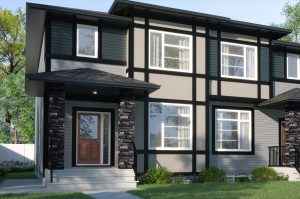
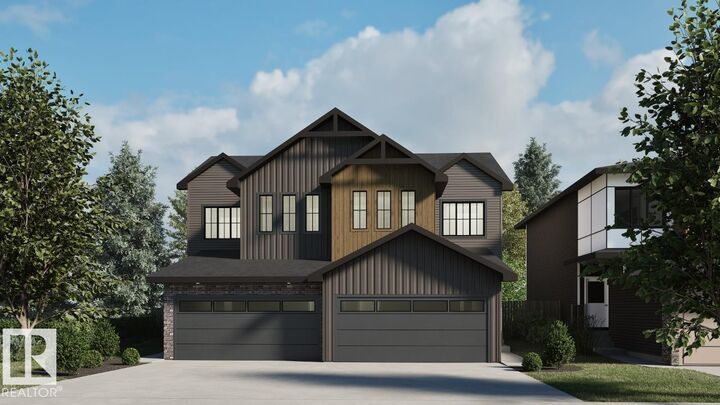
The Hudson Duplex by Rohit Homes is a bold designer paired home offering 1,585 square feet, 3 bedrooms, and 2.5 bathrooms in a smart, functional layout designed to make everyday living easier
With its open-concept main floor, gourmet kitchen featuring an expansive peninsula, versatile second floor, and optional basement development (including a legal secondary suite), the Hudson is ideal for growing families, first-time buyers, and investors alike.
Hudson Duplex Model Overview
1,585 sq ft
3 bedrooms
2.5 bathrooms
Open-concept main floor
Upper-floor laundry
Optional deck
Optional side entrance
Optional developed basement
Optional legal secondary suite
This duplex balances affordability with thoughtful design — a signature of Rohit’s Bold Designer series.
Main Floor Living & Layout
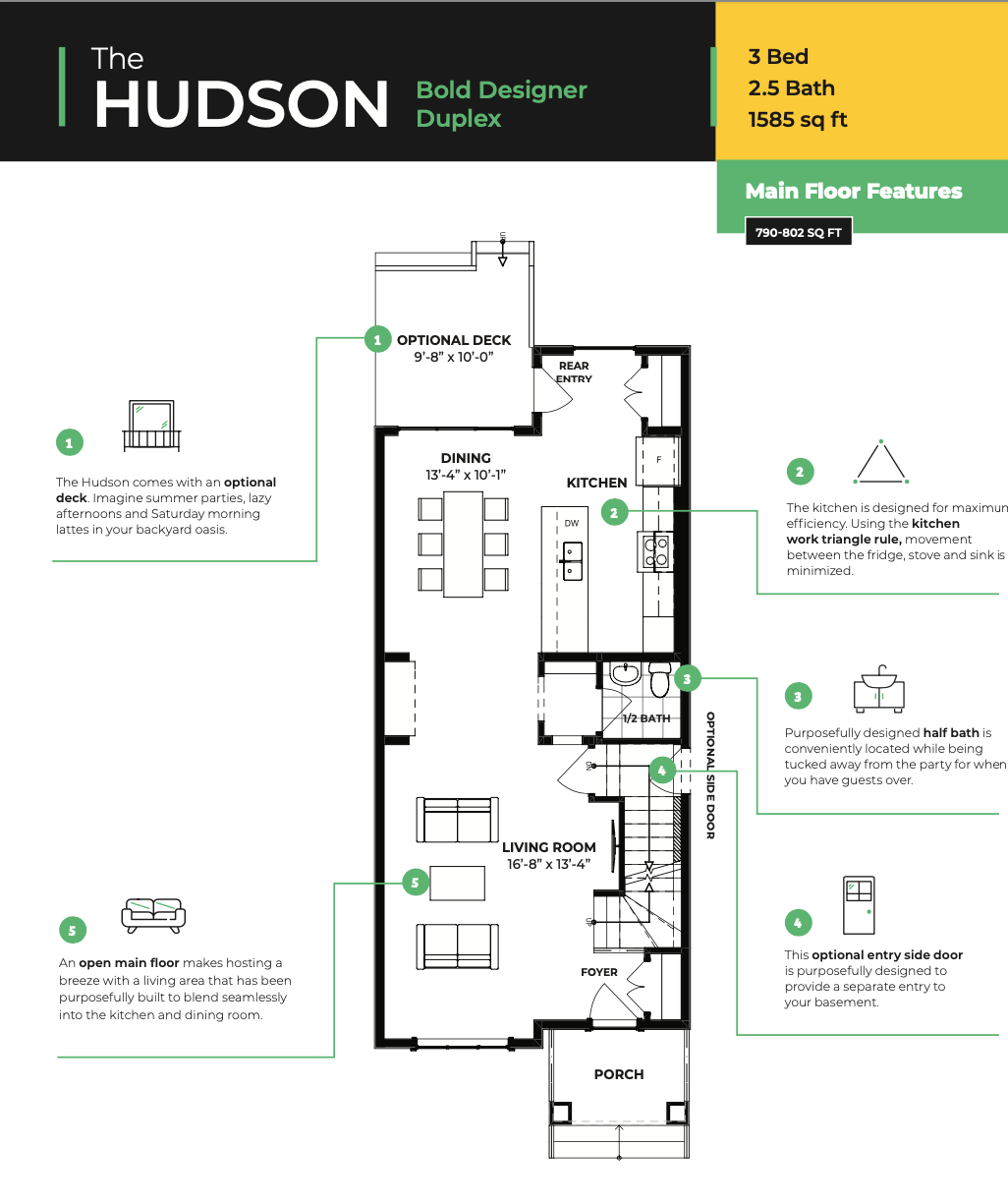
Main Floor Features (790–802 sq ft)
The Hudson’s main floor is purposefully designed for hosting, comfort, and daily efficiency
2025 02 06 Hudson Duplex
.
Open-Concept Living
The living room (16’8” x 13’4”) blends seamlessly into the dining and kitchen areas, creating a cohesive entertaining space
. Whether you’re hosting family gatherings or enjoying quiet evenings, the layout supports flexibility.
Gourmet Kitchen with Expansive Peninsula
The kitchen (13’4” x 10’1”) follows the classic work triangle rule, minimizing movement between fridge, stove, and sink for optimal functionality
The oversized peninsula provides:
Extra prep space
Casual seating
Clear sightlines to the living room
Optional Deck
The Hudson offers an optional 9’8” x 10’0” deck, ideal for summer evenings, morning coffee, and backyard entertaining
Smart Half Bath Placement
The main floor half bath is tucked away from the main entertaining areas — convenient for guests while maintaining privacy
Optional Side Entrance
A standout feature: the optional side door is intentionally designed to provide separate basement access — a key feature if you’re planning future development or rental potential
Upper Floor Layout (776–795 sq ft)
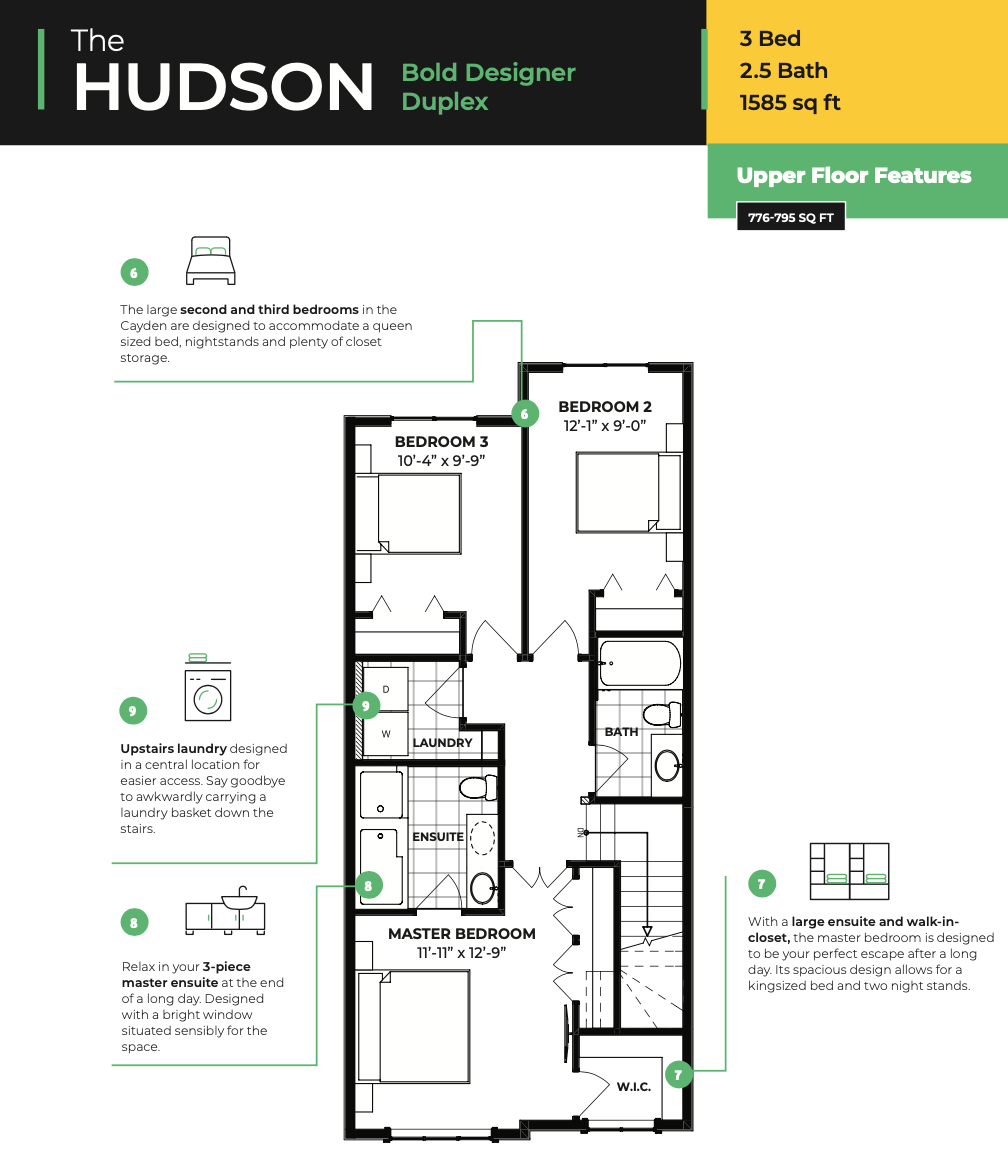
The second floor of the Hudson duplex is designed to balance private retreat spaces with practical everyday living
Spacious Primary Bedroom
The primary bedroom measures 11’11” x 12’9” and is designed to comfortably fit a king-size bed and nightstands
It includes:
Large walk-in closet
3-piece ensuite with bright window placement
Generously Sized Secondary Bedrooms
Bedroom 2 (12’1” x 9’0”) and Bedroom 3 (10’4” x 9’9”) are intentionally sized to accommodate queen beds, nightstands, and proper storage — not “afterthought” rooms
Upper-Floor Laundry
The Hudson features centrally located upstairs laundry, eliminating the need to carry baskets between floors
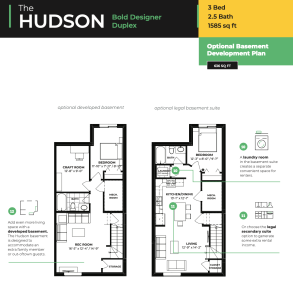
Optional Legal Secondary Suite
The Hudson also offers a legal basement suite configuration, designed specifically for rental income potential
The suite includes:
Separate bedroom
Kitchen/dining area
Living room
Bathroom
Dedicated laundry for renters
This option makes the Hudson especially attractive for:
Investors
Multigenerational families
Buyers offsetting mortgage costs
Interior Designer Packages
The Hudson is available in Rohit Homes’ curated designer interior collections:
Neo – clean, modern, minimalist
Haute – bold, refined, designer-inspired
Zen – warm, balanced, and calming
These packages eliminate upgrade guesswork while maintaining a cohesive aesthetic.
Who the Hudson Duplex Is Ideal For
The Hudson is a strong fit for:
First-time home buyers
Families needing 3 bedrooms
Buyers planning long-term ownership
Investors interested in legal suite potential
Homeowners who want modern design in a manageable footprint
Why the Hudson Stands Out
✔ Expansive kitchen peninsula ✔ True three-bedroom layout ✔ Upstairs laundry ✔ Optional side entrance ✔ Legal suite potential ✔ Strong square footage for a duplex
At 1,585 sq ft, the Hudson lives larger than many comparable duplex models in Edmonton
Explore the Hudson Duplex with Confidence
If you’re considering the Hudson Duplex by Rohit Homes, I can help you compare:
Rural Strathcona County Real Estate Market Update – January 2026
The 2026 acreage market is officially underway in Rural Strathcona County, and while January numbers are typically quieter due to seasonality, the data reveals something important: pricing strength remains very strong, even as overall sales volume slowed.
If you're buying or selling an acreage this year, these early numbers give us valuable insight into what we can expect for the spring market ahead.
Let’s break down what happened in January 2026.
📊 January 2026 Market Snapshot
According to the official January 2026 report
Sold Properties: 6 (↓ 71.43% vs January 2025)
New Listings: 26 (↓ 10.34%)
Average Sale Price: $1.01M (↑ 12.36%)
Average Asking Price: $1.11M (↑ 3.08%)
Days on Market: 114 (↓ 35.96%)
Ask-to-Sell Ratio: 0.994 (↑ 3.08%)
Even with fewer sales, the story here is clear: acreage values remain strong and buyers are paying close to asking price. Noting 1 sale was at $1,450,000
Bar graphs below are interactive
Strathcona County -Acreage Listings
🆕 New Listings: Inventory Building Ahead of Spring
There were 26 new acreage listings in January, slightly down 10.34% from last year.
This is typical for early Q1:
Some sellers wait until March/April.
Others list early to capture motivated winter buyers.
If this pace continues, we may see tighter inventory heading into the spring market — which could support continued price growth.
Strathcona County - Average Acreage List Price
💵 Asking Prices Continue to Climb
The average asking price in January was $1.11M, up 3.08% year-over-year.
While this increase is more moderate than the jump in sale price, it suggests:
Sellers are confident in the market.
Pricing strategies are aligning more closely with buyer expectations.
The gap between list price and sale price is tightening.
Strathcona County -Acreage Sales
🏡 Sales Activity: A Typical Seasonal Slowdown
Only 6 acreages sold in January 2026, compared to 21 in January 2025. That’s a 71% decrease year-over-year — but context matters.
January is historically one of the slowest months in the rural market due to:
Weather conditions
Holiday carryover
Fewer active buyers
Sellers waiting for spring
This drop does not indicate weakness in the market — it reflects seasonality.
What matters more is pricing behaviour — and that’s where things get interesting.
Average Sale Price
💰 Average Sale Price Surpasses $1 Million
The average sale price in January 2026 reached $1.01M, marking a 12.36% increase over January 2025.
This is a major milestone.
Despite lower transaction volume:
Buyers paid significantly more.
Luxury and upper-tier properties likely dominated the sales mix.
Sellers maintained strong pricing power.
The chart on page 1 of the report shows a noticeable upward trend in the monthly sales price line entering January 2026 — reinforcing that pricing momentum carried into the new year.
For acreage owners, this is a powerful signal: values remain elevated heading into spring.
🤝 Ask-to-Sell Ratio: Nearly Full Price Sales
One of the strongest indicators in this report is the 0.994 ask-to-sell ratio.
That means homes sold for 99.4% of asking price.
This is exceptionally strong — especially in January.
For sellers:
Negotiation margins are minimal.
Properly priced acreages are commanding near-full price.
Overpricing remains risky, but correct pricing is rewarded.
For buyers:
There is very little room for deep discounts.
Strong, clean offers are necessary to secure desirable properties.
Strathcona County Acreage Average Days on Market
⏱️ Days on Market: Significant Improvement
January acreages averaged 114 days on market, which is actually a 35.96% improvement from January 2025’s 178 days.
That’s a substantial shift.
Although 114 days may seem long compared to city homes, acreage properties naturally have longer timelines due to:
Larger price points
More complex inspections (well, septic, outbuildings)
Specialized buyer pool
The improvement tells us:
Serious buyers are still active.
Well-priced homes are moving faster than last year.
Market efficiency is improving.
📈 YTD 2026 vs YTD 2025 Comparison
Since January is the first month of the year, YTD reflects January only — but the comparison still shows important shifts:
Metric
YTD 2026
YTD 2025
% Change
Sold Properties
6
21
↓ 71.43%
Average Sale Price
$1.01M
$903K
↑ 12.36%
Average Asking Price
$1.11M
$1.08M
↑ 3.08%
Days on Market
114
178
↓ 35.96%
Ask-to-Sell Ratio
0.994
0.964
↑ 3.08%
strathcona county
The takeaway?
Lower volume. Higher value. Faster turnover. Stronger negotiating power for sellers.
That’s a powerful combination entering spring.
🔎 What This Means for Buyers in 2026
If you're planning to buy an acreage this year:
Expect continued strength in pricing.
Be prepared for near-asking-price negotiations.
Move quickly on well-maintained properties.
Ensure financing is fully pre-approved before shopping.
The January data suggests buyers are not aggressively negotiating — they’re paying close to list price for quality properties.
🏡 What This Means for Sellers in 2026
If you're considering selling your acreage this year:
The $1.01M average sale price is a strong signal.
Inventory is not flooding the market.
Buyers are paying nearly full price.
Days on market are improving.
You may not need to wait until late spring to list.
Strategic early listings can capture:
Relocation buyers
Lifestyle movers
Buyers who sold in Edmonton in late 2025
📊 Visual Trends from the Report
The graph on page 1 of the report shows:
A consistent upward trend in average sale prices since mid-2024.
A notable price spike entering January 2026.
Sales volume dipping seasonally but not collapsing structurally.
This confirms that January’s lower sales volume is cyclical — not market weakness.
🔮 What to Expect for Spring 2026
Based on January’s data, here’s what I anticipate:
Strong spring pricing.
Potential upward pressure if inventory remains moderate.
Competitive conditions for move-in-ready acreages.
Continued strength in $900K–$1.2M price brackets.
If rates remain stable, the acreage market in Strathcona County could see another strong Q2.
🌾 Final Thoughts
January 2026 may have started quietly in terms of volume, but it started loudly in terms of value.
With:
Sale prices up 12.36%
Ask-to-sell ratio at 99.4%
Days on market improving
Inventory moderate
The Rural Strathcona County acreage market enters 2026 in a position of strength.
📞 Thinking About Buying or Selling an Acreage?
If you’d like a customized market evaluation for your acreage or want to start planning your spring purchase:
Chris Reid – Century 21 Leading
📞 (780) 717-5267
🌐 chrisreidedmonton.com
📧 creid@chrisreidedmonton.com
Acreage real estate is different — and working with someone who understands wells, septic systems, zoning, shops, and rural negotiations makes all the difference.
Data provided by the REALTORS® Association of Edmonton and subject to change. Always consult with a real estate professional for the most current market information.
Looking to Buy or Sell Acreages in Strathcona County?
Whether you're a buyer eager to find your perfect rural retreat or a seller ready to capitalize on this favourable market, I’m here to help. Reach out to explore available properties or to discuss your goals.
Beaumont Real Estate Market Update: January 2026 Statistics
The Beaumont real estate market opened 2026 with renewed energy. After a slower finish to 2025, January delivered a noticeable uptick in sales activity, rising listing inventory, and a rebound in sale prices. While winter markets are typically quiet, this year Beaumont is showing early signs of momentum heading into spring.
If you’re considering buying, selling, or investing in Beaumont, understanding these early-year trends is critical. Let’s break down exactly what happened in January 2026 and what it could mean for the months ahead.
📊 January 2026 Market Summary
Metric
January 2026
January 2025
% Change
Sold Properties
21
16
↑ 31.25%
New Listings
64
46
↑ 39.13%
Average Asking Price
$584,000
$601,000
↓ 2.70%
Average Sale Price
$519,000
$491,000
↑ 5.75%
Days on Market
87
79
↑ 10.13%
Ask-to-Sell Ratio
97.9%
98.4%
↓ 0.47%
Interactive bar graphs
Beaumont New MLS® Listings
🏘️ New Listings Jump Nearly 40%
January also brought 64 new listings, compared to 46 last year — a 39.13% increase.
That is significant inventory growth for a winter month.
This tells us:
Sellers are entering the market sooner instead of waiting for spring.
Builders are actively releasing new inventory.
Competition among sellers will increase moving into February and March.
Higher inventory gives buyers more choice — but it also requires sellers to price sharply.
Average Asking Price
💰 Average Asking Price Softens Slightly
The average asking price landed at $584,000, down 2.70% from $601,000 last January.
This modest decline suggests:
Sellers are adjusting expectations after late-2025 price corrections.
Pricing strategies are becoming more realistic.
Homes are entering the market closer to true market value.
This is a healthy sign — especially paired with rising sales volume.
Beaumont Home Sales
📈 Sales Activity Surges 31%
Beaumont recorded 21 residential sales in January 2026, up from 16 last January — a 31.25% increase year-over-year.
That’s a strong start to the year.
Winter markets often see hesitation, but the monthly sold properties chart in the report clearly shows January outperforming the previous year. This indicates:
Buyers are returning earlier than expected.
Rate stabilization may be restoring confidence.
Pent-up demand from late 2025 is releasing into the market.
This is a positive signal heading into Q1.
Average Sale Price
📊 Sale Prices Rebound 5.75%
The most encouraging statistic in January is the average sale price, which climbed to $519,000, up 5.75% year-over-year.
This indicates:
Buyers are paying strong values for well-priced homes.
The late-2025 price softness may have stabilized.
Mid-range homes ($450K–$600K) are moving effectively.
The monthly sales price chart in the report shows pricing stabilizing after fluctuations throughout 2025.
This is a positive signal for sellers preparing for spring.
📉 Ask-to-Sell Ratio at 97.9%
The average ask-to-sell ratio sits at 97.9%, slightly lower than 98.4% last year.
This means homes are selling about 2.1% below list price on average.
For buyers:
Negotiation room exists.
Conditions are more accepted again.
For sellers:
Overpricing by even 3–4% can stall activity quickly.
Competitive pricing wins early.
Average Days on Market
⏳ Days on Market Increase to 87
Homes took an average of 87 days to sell, compared to 79 days last January — a 10.13% increase.
While this is higher than last year, it’s still consistent with typical winter conditions.
Longer days on market suggest:
Buyers are negotiating more carefully.
Inspection and financing timelines may be stretching slightly.
Pricing still matters significantly.
Homes that are staged well and priced correctly are outperforming the average.
📅 Year-to-Date Snapshot (January 2026 vs January 2025)
Since January is the first month of the year, the YTD figures mirror the monthly totals:
Metric
2026 YTD
2025 YTD
% Change
Sold Properties
21
16
↑ 31.25%
New Listings
64
46
↑ 39.13%
Average Asking Price
$584,000
$601,000
↓ 2.70%
Average Sale Price
$519,000
$491,000
↑ 5.75%
Days on Market
87
79
↑ 10.13%
Ask-to-Sell Ratio
97.9%
98.4%
↓ 0.47%
All data sourced directly from the January 2026 market report
Beaumont
.
🧠 What This Means for Buyers in Beaumont
✔ More inventory than last year
✔ Prices stabilizing after 2025 corrections
✔ Negotiation room exists
✔ Sales momentum building early
If you’re planning to buy in:
Forest Heights
Dansereau Meadows
Montalet
Triomphe Estates
Eaglemont Heights
Now is a smart window before spring competition increases.
💼 What This Means for Sellers
January’s numbers show opportunity — but only with the right strategy.
To succeed:
Price accurately from day one.
Invest in strong photography and marketing.
Be prepared for negotiations.
Understand that 60–90 days on market is normal right now.
The good news? Sale prices are rebounding.
That means buyers are willing to pay — but only for value.
🔮 Early 2026 Market Forecast for Beaumont
Based on January trends, here’s what we may see moving forward:
📈 February and March likely see increased activity
🏗️ Builders continue to release new inventory
💰 Prices stabilize in mid-range homes
📊 Competition increases heading into spring
If interest rates remain steady, Beaumont could experience a strong spring market.
The combination of rising sales and controlled pricing is a healthy signal.
🏡 Should You Buy or Sell Now?
If you’re buying:
You have choice.
You have leverage.
You can negotiate.
If you’re selling:
Buyers are active.
Pricing correctly is critical.
Preparation now sets you up for spring success.
📞 Thinking About Making a Move in Beaumont?
Whether you're buying your first home, upsizing, downsizing, or investing, strategy matters more than ever in today’s market.
As a local REALTOR® serving Beaumont and the greater Edmonton region, I provide:
📲 Call or text Chris Reid at (780) 717-5267 to schedule your free consultation.
Let’s build your 2026 real estate plan with confidence.
Data provided by the REALTORS® Association of Edmonton and subject to change. Always consult with a real estate professional for the most current market information.
If you would like more information on the Beaumont real estate market contact Chris Reid
Sherwood Park Real Estate Market Update: January 2026 Statistics
The Sherwood Park real estate market has kicked off 2026 with encouraging momentum. While January is traditionally a quieter month in real estate, this year’s numbers show increased sales activity, steady price growth, and continued buyer confidence.
Sherwood Park remains one of the most desirable suburban communities in the Greater Edmonton Area, offering excellent schools, strong neighbourhood appeal, proximity to Edmonton, and long-term property value stability. January’s numbers suggest that both buyers and sellers are entering the year with renewed optimism.
Let’s break down what the data tells us and what it means for you.
📊 Sherwood Park Real Estate Snapshot – January 2026
Metric
January 2026
January 2025
% Change
Sold Properties
61
54
+12.96%
New Listings
95
101
-5.94%
Average Asking Price
$546,000
$515,000
+6.00%
Average Sale Price
$492,000
$470,000
+4.73%
Days on Market
60
55
+9.09%
Ask-to-Sell Ratio
0.984
0.999
-1.50%
🏗️ New Construction Market Summary
A total of 7 new homes were listed during this reporting period, with properties spending an average of 15 days on market, and a median of just 24 days, showing that new builds are moving relatively quickly. The highest list and sale price reached $873,998, while the lowest sale recorded was $388,000, demonstrating a wide range of price points for buyers.
The average list price for these new homes was $629,323, with a median of $654,250, totaling over $4.4 million in listing volume. On the sold side, the average sale price came in at $622,716, with the median matching the list median at $654,250, indicating that many homes sold very close to asking price. Total sold volume for new construction reached approximately $4.36 million.
Overall, the new home segment remains strong, with competitive pricing and relatively quick absorption, particularly in the mid-to-upper price ranges.
Interactive bar graphs
Sherwood Park New MLS® Listings
📦 New Listings – Slightly Lower Inventory
There were 95 new listings in January 2026, down 5.94% compared to last year.
Lower inventory combined with rising sales is a key indicator:
➡️ If listing activity does not increase in February and March, Sherwood Park could shift back toward tighter conditions by spring.
Average Asking Price
🏷️ Average Asking Price – Sellers Positioning High
The average asking price reached $546,000, up 6.00% year-over-year.
This indicates sellers are confident heading into 2026. However, the gap between the asking price ($546K) and the sale price ($492K) suggests:
Buyers are negotiating
Some listings may be testing the upper range of pricing
Accurate pricing strategy is more important than ever
Homes that are priced correctly are still selling — but overpricing could lead to extended days on market.
Sherwood Park Home Sales
📈 Sales Activity – A Positive Year-Over-Year Increase
Sherwood Park recorded 61 sold properties in January 2026, representing a 12.96% increase over January 2025.
This is a strong sign for the start of the year. January is typically slower due to winter conditions and post-holiday recovery, yet this increase suggests:
Buyers who paused in December are re-entering the market
Pent-up demand from late 2025 is converting into action
Sherwood Park remains highly attractive to move-up buyers and relocations
This increase in sales despite slightly lower inventory indicates demand is still present.
Average Sale Price
💰 Average Sale Price – Steady Growth Continues
The average sale price in January 2026 was $492,000, up 4.73% from January 2025.
While this is not the sharp double-digit growth seen in parts of 2025, it reflects:
Healthy, sustainable appreciation
Market stabilization after strong prior growth
Continued buyer willingness to pay near market value
Importantly, the monthly sales price chart on page 1 shows a consistent upward trend over the past year, with only minor seasonal dips. This confirms Sherwood Park continues to deliver long-term value.
📉 Ask-to-Sell Ratio – Slight Shift Toward Buyers
The average ask-to-sell ratio was 0.984, down from 0.999 last January.
This means homes sold at approximately 98.4% of list price, compared to almost full price last year.
What this suggests:
Buyers currently have slightly more leverage
Strategic negotiations are returning
Sellers must price realistically to avoid price reductions
However, this is still a healthy ratio — not a buyer’s market, but slightly more balanced.
Average Days on Market
⏳ Days on Market – Winter Slowdown Is Normal
Homes took 60 days on average to sell in January 2026, compared to 55 days last year.
This 9.09% increase is not alarming. January often sees:
Weather-related delays
Fewer active buyers browsing
Slower decision timelines
As spring approaches, we typically see days on market decline again.
🏠 What This Means for Buyers in 2026
If you are considering buying in Sherwood Park:
✅ There is less competition than peak 2025
✅ Sellers are more open to negotiation
✅ Prices are still rising — waiting could cost more
This is often one of the most strategic months to purchase before the spring rush begins.
🏡 What This Means for Sellers
For homeowners considering listing:
✔ Buyer demand is present
✔ Prices are still higher than last year
✔ Correct pricing is critical
With 60 days average time on market, sellers should:
Stage properly
Price based on recent comparables
Prepare for negotiations
Those who do so are still achieving strong results.
📍 Sherwood Park Market Outlook – Spring 2026
Based on January’s numbers, expect:
Increased listings in February and March
Rising competition among buyers
Faster sales timelines by early spring
Continued moderate price appreciation
Sherwood Park’s fundamentals remain strong:
Proximity to Edmonton
Established neighbourhoods
School access
Community appeal
Steady long-term property value growth
📊 Year-to-Date Comparison (January Only)
Metric
2026 YTD
2025 YTD
% Change
Sold Properties
61
54
+12.96%
New Listings
95
101
-5.94%
Avg Asking Price
$546K
$515K
+6.00%
Avg Sale Price
$492K
$470K
+4.73%
Days on Market
60
55
+9.09%
Ask-to-Sell Ratio
0.984
0.999
-1.50%
🔮 2026 Market Forecast for Sherwood Park
Based on current momentum, Sherwood Park is expected to remain:
Stable
Moderately appreciating
Balanced but competitive
The key variable to watch will be:
Interest rate stability
Inventory levels heading into March
Migration trends into the Edmonton region
If new listings remain tight, we could see upward price pressure return by late spring.
📞 Thinking About Buying or Selling?
Sherwood Park continues to be one of Alberta’s strongest suburban markets.
If you're planning to:
Buy in 2026
Sell in early spring
Upgrade or downsize
Invest in Sherwood Park
Let’s build a strategy based on real data and timing.
📲 Chris Reid
Century 21 Leading
📞 780-717-5267
🌐 chrisreidedmonton.com
Data provided by the REALTORS® Association of Edmonton and subject to change. Always consult with a real estate professional for the most current market information.
If you would like more information on the Sherwood Park real estate market contact Chris Reid
Rural Sturgeon County Real Estate Market Update: January 2026 Statistics
The Rural Sturgeon County real estate market is off to an interesting start in 2026. While January is traditionally a slower month for acreage and country residential properties, this year’s numbers show a mix of stronger sales activity, improved efficiency, and a noticeable shift in price dynamics.
If you’re buying or selling an acreage in Sturgeon County, here’s what the latest data means for you.
📊 January 2026 Market Snapshot
According to the January 2026 local market report:
Sold Properties: 3 (+50.00% year-over-year)
New Listings: 9 (–35.71% year-over-year)
Average Asking Price: $1.58M (+4.20%)
Average Sale Price: $592K (–55.64%)
Days on Market: 73 days (–55.21%)
Average Ask-to-Sell Ratio: 97.1% (+3.77%)
Let’s break this down.
Interactive bar graphs
Rural Sturgeon County New MLS® Listings
🏷️ New Listings – Inventory Tightens
Nine new listings came to market in January 2026, down from fourteen last January — a 35.71% decrease.
This drop in inventory is significant. Fewer listings mean:
Reduced competition for sellers.
Limited choice for buyers.
Potential upward pressure on pricing in the coming months.
If inventory remains tight heading into spring, we could see a more competitive acreage market develop.
Average List Price
💰 Average Asking Price – Confidence Remains High
The average asking price reached $1.58M, up 4.20% from last year.
This tells us sellers remain confident in the long-term value of rural Sturgeon County properties — particularly higher-end acreages, estate homes, and large parcels.
However, the average can be influenced by listing mix. January likely included a greater proportion of luxury inventory, pushing the average higher.
Seller insight:
Strategic pricing remains key. High list prices must be supported by condition, location, and market demand.
Rural Sturgeon County Home Sales
✅ Sold Properties – Activity Picks Up
Three properties sold in January 2026, compared to two sales in January 2025 — a 50% increase year-over-year.
While three sales may seem modest, January is historically one of the quietest months for rural markets. The increase signals that serious buyers are active early this year, likely preparing ahead of the spring market.
What this means:
Buyers are not waiting for spring.
Well-priced acreages are moving.
Early-year sellers can benefit from less competition.
Average Sale Price
💰 Average Asking Price – Confidence Remains High
The average asking price reached $1.58M, up 4.20% from last year.
This tells us sellers remain confident in the long-term value of rural Sturgeon County properties — particularly higher-end acreages, estate homes, and large parcels.
However, the average can be influenced by listing mix. January likely included a greater proportion of luxury inventory, pushing the average higher.
Seller insight:
Strategic pricing remains key. High list prices must be supported by condition, location, and market demand.
📈 Ask-to-Sell Ratio – Strong Negotiation Position
The average ask-to-sell ratio increased to 97.1%, up from 93.6% last year.
This means sellers are receiving very close to their asking price — nearly 97 cents on the dollar.
In a rural market, that’s a strong performance and reflects:
Competitive pricing.
Serious buyers.
Limited inventory pressure.
Average Days on Market
⏳ Days on Market – Major Improvement
Homes sold in an average of 73 days, down from 163 days last January — a 55.21% improvement.
This is one of the most encouraging statistics in the report.
Properties are selling faster than they were one year ago, suggesting:
Buyers are decisive.
Pricing strategies are stronger.
Motivated sellers are aligning with market realities.
For sellers, this is a positive signal heading into spring.
📊 Rural Sturgeon County
Year-to-Date Comparison: January 2026 vs January 2025
Metric
2026 YTD
2025 YTD
% Change
Sold Properties
3
2
+50.00%
New Listings
9
14
–35.71%
Average Asking Price
$1,580,000
$1,515,000
+4.20%
Average Sale Price
$592,000
$1,335,000
–55.64%
Days on Market
73
163
–55.21%
Ask-to-Sell Ratio
97.1%
93.6%
+3.77%
🔎 Key Takeaways
🔍 What This Means for 2026
For Sellers:
Reduced inventory gives you leverage.
Homes are selling faster than last year.
Pricing properly is critical in a small-volume market.
For Buyers:
Selection is limited.
Strong properties will move quickly.
Early-year purchases may offer better negotiating conditions than spring.
🔮 Spring Outlook for Rural Sturgeon County
If inventory remains low and buyer activity continues at this pace, we could see:
Increased competition in March and April.
Stable to slightly rising sale prices.
Continued efficiency in days on market.
The acreage lifestyle — space, privacy, and proximity to Edmonton — remains highly desirable.
📞 Thinking of Buying or Selling in Rural Sturgeon County?
If you’re considering selling your acreage or purchasing rural property in 2026, now is the time to prepare.
📱 Call or text Chris Reid at (780) 717-5267
🌐 Visit: chrisreidedmonton.com
Let’s create a strategy that works for your goals in today’s evolving rural market.
Data provided by the REALTORS® Association of Edmonton and subject to change. Always consult with a real estate professional for the most current market information.
If you would like more information on the Rural Sturgeon County real estate market contact Chris Reid
Lac Ste. Anne County Real Estate Market Update: January 2026 Statistics
The rural Lac Ste. Anne County real estate market opened 2026 with a mixed but interesting start. While sales activity slowed compared to January 2025, pricing trends and negotiation metrics show a market that remains resilient and competitive.
For buyers and sellers watching the acreage and rural property market closely, January’s data provides important insight into where the market may head this spring.
Let’s break it down.
📉 Sales Activity: Slower Start to the Year
In January 2026, 10 properties sold in Lac Ste. Anne County, representing a 16.67% decrease compared to January 2025.
Year-to-date (which, in January, reflects just the first month), sales also sit at:
10 properties in 2026
Compared to 12 in January 2025
A 16.67% decrease year-over-year lac ste
A slower January is not unusual in rural Alberta markets. Winter conditions, reduced daylight, and holiday recovery often mean buyers wait for spring activity.
What this tells us: Demand hasn’t disappeared — it’s likely paused seasonally. Spring activity will be the true test of 2026 momentum.
Interactive bar graphs
Lac Ste Anne New MLS® Listings
🏷️ New Listings: Significant Drop in Supply
January 2026 saw 24 new listings, which is a 35.14% decrease compared to January 2025.
YTD comparison:
24 listings in 2026
37 listings in 2025
-35.14% year-over-year
This sharp decline in inventory could become a major factor if buyer activity increases in spring.
Despite the drop in sale price, the average asking price rose to $575,000, a 5.55% increase over January 2025.
YTD comparison:
2026 YTD asking price: $575,000
2025 YTD asking price: $544,000
+5.55% increase
This tells us sellers are still pricing confidently, even if sale prices adjusted slightly.
Translation: There may be negotiation opportunities if sellers are testing higher list prices early in the year.
Lac Ste Anne Home Sales
📉 Sales Activity: Slower Start to the Year
In January 2026, 10 properties sold in Lac Ste. Anne County, representing a 16.67% decrease compared to January 2025.
Year-to-date (which, in January, reflects just the first month), sales also sit at:
10 properties in 2026
Compared to 12 in January 2025
A 16.67% decrease year-over-year
A slower January is not unusual in rural Alberta markets. Winter conditions, reduced daylight, and holiday recovery often mean buyers wait for spring activity.
What this tells us: Demand hasn’t disappeared — it’s likely paused seasonally. Spring activity will be the true test of 2026 momentum.
Average Sale Price
💰 Average Sale Price: Down Month-Over-Month
The average sale price in January 2026 was $452,000, a 17.26% decrease from January 2025.
Year-to-date:
2026 YTD average sale price: $452,000
2025 YTD average sale price: $547,000
17.26% decrease year-over-year
This decline may reflect the specific types of properties that sold in January (possibly smaller acreages, land parcels, or lower-priced homes). With only 10 sales, averages can shift dramatically based on property mix.
Important context: One month does not define a trend. Spring volume will give a clearer direction for 2026 pricing.
🤝 Ask-to-Sell Ratio: Strong Seller Position
The average ask-to-sell ratio in January 2026 was 98.0%, up 2.70% from January 2025.
YTD comparison:
2026: 0.980
2025: 0.954
+2.70% improvement
This means homes are selling much closer to asking price than they were last year.
Even with fewer sales, negotiation margins tightened significantly.
Average Days on Market
🕒 Days on Market: Huge Improvement
One of the most notable shifts in this report is Days on Market.
January 2026 average DOM: 99 days
Compared to 282 days in January 2025
A dramatic 64.89% decrease
YTD numbers reflect the same comparison.
This suggests:
Homes that are priced correctly are selling much faster.
2025 may have included several long-stale listings that skewed last year’s number.
This is a very positive sign for sellers heading into 2026.
This means homes are selling much closer to asking price than they were last year.
Even with fewer sales, negotiation margins tightened significantly.
📊 January 2026 Snapshot
Metric
January 2026
Change vs Jan 2025
Sold Properties
10
↓ 16.67%
Average Asking Price
$575,000
↑ 5.55%
Average Sale Price
$452,000
↓ 17.26%
New Listings
24
↓ 35.14%
Days on Market
99
↓ 64.89%
Ask-to-Sell Ratio
98.0%
↑ 2.70%
(Statistics sourced from the January 2026 Local Market Update
lac ste
.)
🔎 What This Means for Buyers
Fewer listings means less competition for sellers later if demand increases
Sellers are pricing higher — but properties are still negotiating
Faster DOM suggests serious buyers are acting quickly
If you’re planning to purchase an acreage or rural property in Lac Ste. Anne County, early 2026 may offer strategic opportunities before the spring rush.
🏡 What This Means for Sellers
Inventory is down significantly — this is good news
Homes are selling much faster than last year
Buyers are paying closer to list price
If you’ve been waiting to list, February and March could position you ahead of the spring competition.
📈 Looking Ahead to Spring 2026
Key indicators to watch:
Will new listings remain low?
Does buyer demand return with warmer weather?
Do sale prices stabilize or rebound?
If inventory stays tight and demand returns, Lac Ste. Anne could see a competitive spring market.
Data provided by the REALTORS® Association of Edmonton and subject to change. Always consult with a real estate professional for the most current market information.
If you would like more information on the Lac Ste Anne real estate market contact Chris Reid
The Devon real estate market started 2026 with strong pricing, increased listing activity, and steady buyer demand. While sales volume dipped slightly compared to January 2025, the overall value of homes increased significantly — signalling a confident and active winter market.
Let’s break down what happened in Devon this January.
📊 January 2026 Market Snapshot
Metric
January 2026
% Change vs Jan 2025
Sold Properties
10
↓ 23.08%
New Listings
13
↑ 160.00%
Average Asking Price
$520,000
↑ 61.03%
Average Sale Price
$496,000
↑ 14.51%
Days on Market
42 days
↓ 42.47%
Ask-to-Sell Ratio
0.995
↑ 1.68%
New construction activity in Devon remains steady, with two new homes selling in January. The average list price for new builds was $476,899, with prices ranging from $324,998 to $628,800. On the sold side, the average sale price came in at $476,283, with completed sales ranging between $330,666 and $621,900.
Notably, the median list and sale prices were nearly identical at approximately $476,000, indicating accurate pricing strategies from builders and strong alignment between buyer expectations and market value. With a total new construction sales volume of just over $952,000, this segment continues to contribute meaningful value to Devon’s overall housing market.
The close spread between list and sale price also reinforces that buyers remain confident in Devon’s new home product — particularly for move-up buyers seeking modern layouts, energy efficiency, and turnkey living.
Interactive bar graphs
Devon New MLS® Listings
🏘️ New Listings Surge 160%
One of the most notable shifts in January was the increase in inventory. Devon saw 13 new listings, up 160% from January 2025, when only 5 homes came to market.
This increase signals renewed seller confidence heading into 2026. Homeowners are recognizing the strength in pricing and are preparing to capture early-year buyer demand.
More listings mean:
More choice for buyers
More competition for sellers
A more balanced market overall
Average List Price
💲 Average Asking Price Jumps 61%
The average asking price reached $520,000, a remarkable 61.03% increase year-over-year.
This large increase suggests that:
Higher-priced properties entered the market
Sellers are confident in Devon’s long-term value
The composition of listings has shifted toward larger or upgraded homes
This doesn’t necessarily mean every property jumped 61% in value — but it does show a shift in the price bracket of homes entering the market.
Devon Home Sales
📈 Sales Activity: Slight Dip, Still Healthy
Devon recorded 10 sales in January 2026, which is a 23.08% decrease compared to January 2025.
While that may sound concerning at first glance, January is historically a lower-volume month due to seasonality. A total of 10 sales in winter still represents healthy buyer activity — especially given the significant jump in pricing this month.
More importantly, the quality and price point of homes sold shifted upward, contributing to a stronger overall price performance.
Average Sale Price
💵 Average Sale Price Up 14.51%
Even more importantly, the average sale price rose to $496,000, up 14.51% compared to January 2025.
This confirms that buyers are willing to pay higher prices in Devon, even in the winter months. It also reinforces that Devon continues to attract motivated buyers — whether families relocating, move-up buyers, or investors.
Notably, homes sold for nearly their full asking price.
⚖️ Ask-to-Sell Ratio: Strong and Balanced
The ask-to-sell ratio came in at 0.995, meaning homes sold for 99.5% of their asking price — an improvement of 1.68% over last year.
This tells us:
Buyers are not heavily discounting properties
Sellers are pricing strategically
Negotiations remain balanced
In short, this is not a distressed or declining market. It’s competitive — but fair.
Average Days on Market
⏱️ Days on Market Drop 42%
Homes took an average of 42 days to sell, which is a 42.47% improvement over January 2025, when homes were sitting for 73 days.
This is one of the most encouraging stats in the entire report.
Shorter days on market indicate:
Buyers are making decisions faster
Properly priced homes are attracting strong interest
Market momentum is building earlier in the year
📊 Year-to-Date Comparison (2026 vs 2025)
Since this is the first month of the year, the YTD numbers match January totals:
Metric
2026 YTD
2025 YTD
% Change
Sold Properties
10
13
↓ 23.08%
New Listings
13
5
↑ 160.00%
Average Asking Price
$520,000
$323,000
↑ 61.03%
Average Sale Price
$496,000
$433,000
↑ 14.51%
Days on Market
42
73
↓ 42.47%
Ask-to-Sell Ratio
0.995
0.978
↑ 1.68%
Devon
🧠 What This Means for Sellers in Devon
If you're considering selling in 2026:
✅ Prices are strong
✅ Buyers are active — even in winter
✅ Homes are selling faster than last year
✅ Sellers are achieving close to full asking price
However, with more listings entering the market, strategic pricing and strong marketing will be essential. The spring market could become competitive quickly.
🏡 What This Means for Buyers
For buyers, January presents opportunity:
✔ More inventory than last year
✔ Stable negotiation room
✔ Faster-moving market (less sitting inventory)
✔ Strong long-term value trends
If interest rates stabilize or decrease in 2026, Devon could see even stronger demand in spring — meaning today’s buyers may benefit from acting early.
🌟 Why Devon Continues to Perform
Devon remains one of the most attractive small communities near Edmonton because of:
Proximity to Edmonton and Nisku
Strong community feel
River valley lifestyle
More affordable pricing compared to many Edmonton neighbourhoods
Growing buyer demand for smaller, connected communities
The January numbers confirm that Devon is not slowing down — it is adjusting and strengthening.
🔮 Early 2026 Forecast
Based on January trends, we can expect:
A competitive spring market
Continued upward pressure on pricing
Strong listing activity
Buyers entering early to secure properties before peak season
If mortgage rates hold steady or improve, Devon could see one of its strongest spring markets in years.
📞 Ready to Make a Move in Devon?
Whether you’re thinking of buying, selling, or simply want to understand your home’s value in today’s market, I’d love to help.
Chris Reid
Century 21 Leading
📞 (780) 717-5267
🌐 chrisreidedmonton.com
Let’s build your 2026 strategy together.
Data provided by the REALTORS® Association of Edmonton and subject to change. Always consult with a real estate professional for the most current market information.
If you would like more information on the Devon real estate market contact Chris Reid
A new year always brings fresh energy to the real estate market, and January 2026 in Leduc is no exception. While winter conditions typically slow activity, this year’s data tells a more nuanced story. We’re seeing rising prices, a significant jump in new listings, and a sharp increase in days on market — all pointing toward a market that is shifting into a more balanced phase after strong appreciation throughout 2025.
If you're considering buying or selling in Leduc this year, here’s what you need to know.
📊 January 2026 Market Snapshot
Sold Properties: 40 (↓ 6.98% from January 2025)
Average Asking Price: $500,000 (↑ 2.77%)
Average Sale Price: $453,000 (↑ 10.07%)
New Listings: 93 (↑ 45.31%)
Days on Market: 92 days (↑ 73.58%)
Ask-to-Sell Ratio: 0.978 (↓ 1.05%)
📊 New Construction Data Provided
New Construction Sales (12 homes):
Average List Price: $564,075
Average Sold Price: $553,375
Median Sold Price: $528,500
Days on Market (Avg): 87
These are significantly higher than the overall market averages, which means they will pull numbers upward.
Interactive bar graphs
Leduc New MLS® Listings
🆕 New Listings Surge 45%
Perhaps the most dramatic shift in January was the rise in new inventory.
93 new listings hit the market, a massive 45.31% increase compared to January 2025.
This influx of inventory is significant for several reasons:
Buyers now have more choice and leverage.
Sellers face increased competition.
The market may be transitioning from strong seller conditions toward balance.
If this listing momentum continues into spring, we could see a more competitive environment for sellers than we experienced in early 2025.
Average List Price
📌 Average Asking Price Reaches $500K
The average list price hit $500,000, up 2.77% from last year.
This steady increase reflects seller confidence and the overall appreciation trend seen throughout 2025. However, the more moderate growth compared to the sold price increase suggests sellers are being realistic with pricing — a healthy sign for market stability.
Leduc Home Sales
🏠 Sales Activity: A Predictable Seasonal Slowdown
Leduc recorded 40 sales in January 2026, down 6.98% compared to January 2025. This dip is consistent with typical winter market behaviour. January is historically slower as families settle back into routines following the holidays.
However, the slight decrease in sales volume does not indicate weakening demand — rather, it reflects seasonal timing. Serious buyers are still active, but decision-making tends to take longer during winter months.
Average Sale Price
💵 Average Sale Price Jumps Over 10%
One of the most notable highlights this month is the strong price growth.
The average sale price climbed to $453,000, marking a 10.07% increase year-over-year. This is a powerful indicator that property values in Leduc remain on an upward trajectory.
Despite fewer sales, buyers are clearly willing to pay more for quality homes. This suggests continued confidence in Leduc as a desirable long-term investment location.
For sellers, this is excellent news — equity positions remain strong heading into 2026.
📉 Ask-to-Sell Ratio Softens Slightly
The average ask-to-sell ratio sits at 0.978, meaning homes sold for approximately 97.8% of asking price.
This slight decline indicates that buyers are negotiating more actively than they were earlier in 2025. With more listings available and longer selling times, buyers are gaining modest leverage.
However, homes that are priced correctly and show well are still achieving strong results.
Average Days on Market
⏳ Days on Market Spike
Homes in Leduc took an average of 92 days to sell, a substantial 73.58% increase from last year.
This jump reflects:
Winter slowdown
Increased listing inventory
Buyers taking more time to evaluate options
While 92 days may appear high, it’s important to recognize January is traditionally the slowest month of the year. As we move into February and March, this figure typically declines.
For sellers, this reinforces the importance of pricing strategically and presenting homes properly from day one.
📊 Leduc Real Estate Market Comparison
January 2025 vs January 2026
Metric
January 2025
January 2026
% Change (YoY)
Sold Properties
43
40
↓ 6.98%
Average List Price
~$486,500
$500,000
↑ 2.77%
Average Sale Price
~$411,500
$453,000
↑ 10.07%
New Listings
64
93
↑ 45.31%
Days on Market
53
92
↑ 73.58%
Ask-to-Sell Ratio
0.989
0.978
↓ 1.05%
📌 Key Takeaways
Prices are up significantly, especially sold prices (+10%).
Inventory jumped sharply (+45%), giving buyers more options.
Days on market increased substantially, signalling a slower winter pace.
Sales dipped slightly, but not dramatically.
Negotiation is becoming more common with a softer ask-to-sell ratio.
🧠 What This Means for Buyers
If you are buying in Leduc right now:
More inventory = more choice.
Longer days on market = negotiation opportunities.
Prices are rising — but not explosively.
Winter purchases can mean less competition.
January may be one of the best opportunities in early 2026 to secure a strong deal before the spring market accelerates.
💼 What This Means for Sellers
For sellers, the market remains healthy — but strategy matters more than ever.
Price accurately from day one.
Expect slightly longer marketing time.
Invest in professional presentation.
Be prepared for negotiation.
The 10% increase in sale prices is encouraging, but the rise in inventory means buyers have alternatives.
🏘️ Leduc’s Continued Appeal
Despite winter slowdowns, Leduc remains one of the most attractive communities in the Edmonton Metropolitan Region thanks to:
Proximity to Edmonton and the International Airport
Affordable detached home pricing compared to surrounding cities
Growing neighbourhoods like Black Stone, Meadowview, Woodbend, and Southfork
Strong long-term appreciation trends
As spring approaches, buyer traffic is expected to increase — especially in family-focused communities.
🔮 What to Expect This Spring
Based on January’s numbers:
Inventory is building early.
Prices remain strong.
Buyer leverage is increasing slightly.
Spring could bring a competitive but more balanced market.
If listings continue rising into March and April, we may see conditions that are more balanced than the seller-dominant environment of early 2025.
📞 Thinking of Buying or Selling in 2026?
The start of a new year is the perfect time to plan your next move.
If you’re wondering:
What your home is worth today
Whether to list now or wait until spring
How much negotiating power you have as a buyer
Let’s talk.
Chris Reid
Century 21 Leading
📱 (780) 717-5267
📧 creid@chrisreidedmonton.com
Your local Leduc real estate expert — ready to help you navigate 2026 with confidence.
If you would like more information on the Leduc real estate market contact Chris Reid