Real Estate Investment Edmonton and Alberta in 2025
Is real estate investment in Edmonton and Alberta the way to go? As we approach 2025, investors are closely examining markets across Canada to identify the next big opportunities in real estate. Alberta, and specifically Edmonton, have emerged as regions with substantial growth potential. With a diversified economy, a young and growing population, and an evolving real estate landscape, Edmonton offers unique investment avenues. In this blog, we will explore the most promising real estate investment opportunities in Edmonton and Alberta for 2025.
1. Multifamily Housing: Real Estate Investment in EdmontonMeeting the Demand of a Growing Population
Edmonton is one of the youngest cities in Canada, with a median age significantly lower than the national average. This youthful demographic is contributing to strong demand for rental properties. The multifamily sector, including apartment buildings and townhouses, presents a lucrative investment opportunity due to several key factors:
- High Rental Demand: Edmonton’s population continues to grow, fuelled by interprovincial migration and international immigration. Many of these newcomers prefer renting over buying, creating a sustained demand for rental properties.
- Affordability Challenges: Rising interest rates and stricter mortgage regulations are pushing potential homebuyers towards the rental market. Investing in multifamily housing allows investors to capitalize on consistent rental income streams.
- Government Incentives: The Alberta government has rolled out various incentives for developers and investors in the multifamily housing sector, making it more attractive to create rental units, particularly affordable housing.
Overall, investing in multifamily properties in Edmonton offers a balanced mix of income stability and potential appreciation, particularly in neighbourhoods close to transit and amenities.
2. Commercial Real Estate: Medical and Office Spaces
Alberta’s healthcare sector is expanding rapidly, creating demand for medical office spaces. In Edmonton, there is a growing trend of healthcare professionals, including nurse practitioners, establishing independent clinics. This shift is driven by the increasing need for accessible healthcare and a focus on preventive care.
- Medical Offices: Investing in commercial spaces tailored for medical use can be highly profitable. Demand is driven by the aging population and the expansion of healthcare services beyond traditional hospitals. Nurse practitioners, physiotherapists, and other healthcare providers are looking for modern, well-located office spaces.
- Flexible Office Spaces: With the hybrid work model becoming more entrenched post-pandemic, there is a rise in demand for flexible and shared office spaces. Investors can explore opportunities in creating co-working environments that cater to small businesses and professionals seeking adaptable workspaces.
Investing in commercial real estate in Edmonton’s core areas, particularly near hospitals and major transportation hubs, can yield strong returns due to high occupancy rates and long-term leases.
3. Industrial Real Estate: Capitalizing on E-commerce Growth
Alberta’s industrial real estate market, particularly in Edmonton, has shown resilience and growth. The continued rise of e-commerce and logistics has driven demand for warehouses and distribution centres. Edmonton’s strategic location as a transportation hub makes it a prime spot for industrial investments.
- Warehouse and Distribution Centres: The shift towards online shopping has led to increased demand for large industrial spaces. Investors can look at properties in industrial parks on the outskirts of Edmonton that have good connectivity to major highways.
- Manufacturing Facilities: Alberta’s focus on diversifying its economy includes investments in advanced manufacturing. This sector requires specialized industrial spaces, providing investors with opportunities in leasing or developing facilities designed for manufacturing needs.
The industrial sector offers strong potential for growth, driven by the consistent demand from e-commerce, logistics, and manufacturing companies.
4. Acreages and Rural Properties: The Rise of Lifestyle Investments
There has been a noticeable trend towards rural living, especially post-pandemic, as people seek more space and a quieter lifestyle. Alberta’s rural areas, including Parkland County and Strathcona County, offer excellent opportunities for investing in acreages.
- Rural Acreages: Investors can explore purchasing acreages for development or resale. The demand for larger properties has increased, especially among families looking to move away from urban centers while still remaining within commuting distance of Edmonton.
- Agricultural Land: Alberta’s strong agricultural industry presents another avenue for investment. Farmland and agricultural properties offer stable returns, as demand for locally sourced food and sustainable farming practices grows.
Rural properties can offer a higher return on investment, especially as the trend of moving to the outskirts continues to grow. This is an excellent option for investors looking to diversify their portfolios with properties that appeal to a lifestyle-driven market.
5. Downtown Revitalization Projects: Leveraging Urban Development
Edmonton’s downtown core has been undergoing significant revitalization in recent years, with new developments focused on mixed-use properties that combine residential, commercial, and entertainment spaces. This transformation is creating exciting investment opportunities in the heart of the city.
- Mixed-Use Developments: These projects offer the potential for both residential rental income and commercial leasing. As Edmonton’s downtown becomes more vibrant, demand for residential units in these developments is expected to rise.
- Luxury Condos and High-Rise Apartments: There is a growing market for high-end condos, especially among young professionals and retirees looking for modern amenities and a central location.
Investing in downtown properties can be particularly profitable as the area becomes a cultural and economic hub, attracting both residents and businesses.
6. Short-Term Rentals: Tapping into the Tourism Market
The tourism industry in Alberta is making a strong comeback, and Edmonton is emerging as a popular destination for events, festivals, and sports. This resurgence presents an opportunity for investors in the short-term rental market.
- Vacation Rentals: Platforms like Airbnb and VRBO have made it easier for investors to manage short-term rentals. Properties located near popular attractions, such as West Edmonton Mall, Rogers Place, and the Edmonton River Valley, are particularly well-suited for this market.
- Event-Driven Demand: Edmonton hosts several large events, including concerts, sports tournaments, and cultural festivals. Properties catering to visitors during these peak times can generate significant income.
Investing in short-term rental properties requires careful consideration of local regulations, but the potential for high returns makes it a compelling option for 2025.
7. Residential New Builds: Capitalizing on Homebuyer Preferences
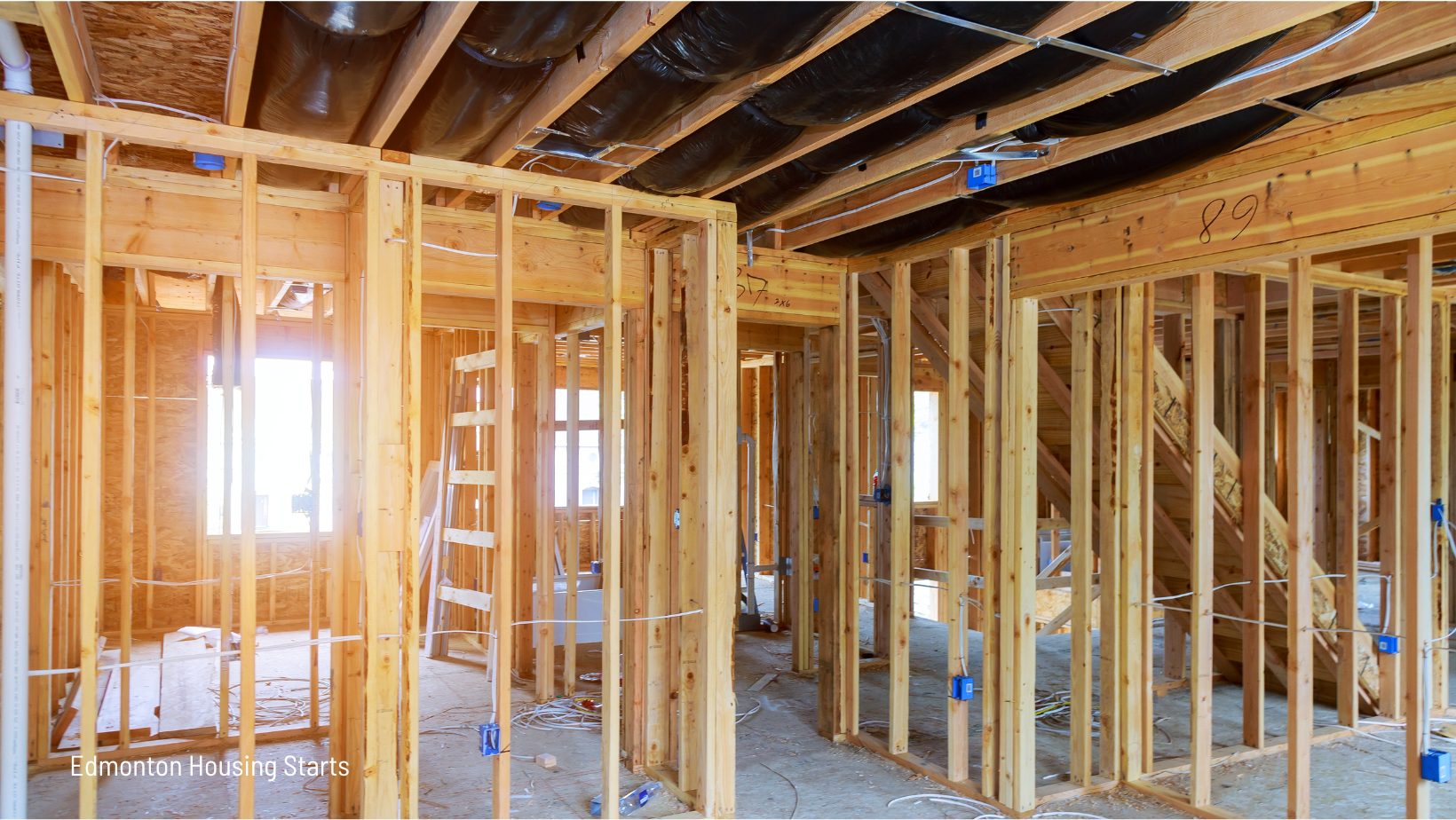
New home construction remains a strong segment in Edmonton’s real estate market. Many buyers are opting for newly built homes due to their modern features, energy efficiency, and customization options.
- Single-Family Homes: There is steady demand for single-family homes, particularly in suburban areas like Windermere, Glenridding, and Chappelle Gardens. These neighbourhoods are popular among families looking for larger homes with good schools and amenities.
- Townhouses and Duplexes: These offer an affordable entry point for both buyers and investors. Townhouses and duplexes are particularly appealing due to their lower maintenance costs and increasing popularity among first-time homebuyers.
Investing in new builds offers the advantage of low maintenance costs and the potential for strong appreciation, particularly in rapidly growing neighbourhoods.
8. Sustainable and Green Buildings: The Future of Real Estate
Sustainability is becoming a key consideration for both developers and buyers in the Edmonton real estate market. Green buildings and energy-efficient homes are gaining popularity as people become more environmentally conscious.
- Energy-Efficient Homes: Properties with features like solar panels, energy-efficient windows, and smart home systems are in high demand. These features not only reduce utility costs but also align with buyers’ preferences for sustainable living.
- LEED-Certified Commercial Buildings: Investing in green commercial real estate, such as LEED-certified office buildings, can attract businesses looking to reduce their carbon footprint and appeal to environmentally conscious consumers.
Sustainable properties often command higher rents and resale values, making them a smart investment for the future.
9. Affordable Housing: Addressing the Growing Need
The demand for affordable housing in Edmonton is on the rise, driven by increasing living costs and economic uncertainty. This market segment presents an important investment opportunity, particularly for those interested in socially responsible investing.
- Government Programs and Incentives: The Alberta government offers various incentives for the development of affordable housing. Investors can take advantage of these programs to reduce costs and enhance profitability.
- Partnerships with Non-Profit Organizations: Collaborating with non-profits to develop affordable housing can provide stable returns while also fulfilling a community need.
Investing in affordable housing can offer steady income and lower vacancy rates, as demand in this segment remains high.
Why Edmonton and Alberta Are Top Picks for 2025
Edmonton and Alberta’s real estate markets are poised for growth in 2025, driven by a combination of economic diversification, population growth, and evolving buyer preferences. Whether you are a seasoned investor or new to the market, there are ample opportunities to explore across various asset classes.
By focusing on multifamily housing, commercial spaces tailored for healthcare, industrial properties, rural acreages, downtown revitalization projects, short-term rentals, new home construction, green buildings, and affordable housing, investors can find promising avenues that align with their financial goals. Edmonton’s strategic location, young population, and supportive government policies create a dynamic environment for real estate investments.
For those considering entering the Edmonton real estate market, now is an opportune time to explore these diverse opportunities and position yourself for success in 2025.
Considering investing in Edmonton? Contact CHRIS REID
🌐 Sources
- Britannica – Edmonton | History, Facts, Map, & Points of Interest
- TheMichaelBlank – The Future of Real Estate Investment
- [NewsWire – Real Estate in 2025: Mixed outlook opens doors to new investment opportunities](https://www.newswire.ca/news-releases/real-estate-in-2025-mixed-outlook-opens-

 Facebook
 X
X
 Pinterest
 Copy Link